For most homeowners, renovation decisions eventually lead to one practical question: Will we get the money back when we sell?
It is a reasonable question. A home is both a place to live and, for many people, their largest financial asset. Renovation advice often focuses on resale value, market expectations, and which improvements are most likely to offer a return.
But what if you are not planning to sell?
Investing in your forever home requires a different way of thinking. The value of the renovation is not limited to what a future buyer may be willing to pay. It can also be measured in years of comfort, family gatherings, greater independence, and the ability to remain in a home that already feels like yours.
At Homes to Havens, we have worked with homeowners who chose to invest more in their renovations than the property would likely return on the open market. They understood the numbers. They also understood that the return they wanted was not waiting for them at the end of a sale.
It was waiting for them at home.
A Home Can Be More Than an Investment
Most people think of a house in two ways. It is a place to live, and it is an investment they hope will appreciate over time.
For some homeowners, however, the relationship is more personal. This is the home where they want to spend the rest of their lives. It may be where they raised their children, built lasting friendships, and became part of a community. The garden has matured. The neighbours are familiar. The rooms hold a history that cannot be recreated by purchasing another property.
Investing in your forever home means recognizing that not every meaningful return appears on a real estate appraisal.
That does not mean ignoring the financial realities of a major renovation. It means deciding which numbers matter most to you.
If you plan to sell within five or ten years, it is important to consider whether the market will support the cost of the work. If you intend to remain for several decades, the daily value of the renovation becomes a much larger part of the equation.
A renovation can solve the problems that would otherwise force you to move. It can give you the space, comfort, and flexibility to remain connected to the life you have already built.
What Is It Worth to Stay in the Home You Love?
This is the real question at the heart of investing in your forever home.
What is it worth to wake up in a place that still feels familiar? What is it worth to remain close to the people, routines, and community you value? What is it worth to avoid moving into a home that may be newer but does not feel like it belongs to you?
There is no calculator that can answer those questions.
A renovation may cost more than the resulting increase in the property’s market value. On paper, that can look like a poor return. In real life, it may allow you to enjoy another 20 or 30 years in the home you love.
Those years have value.
They may include holidays around a table large enough for the entire family. Grandchildren sleeping over without everyone feeling crowded. Quiet mornings in a kitchen designed precisely for you. Summer evenings in a garden you have spent years cultivating.
When moving is not the goal, resale value no longer needs to be the only measure of a successful renovation.
Designing for the Life Ahead
A forever home should not only reflect the way you live today. It should anticipate the way your life may change.
Investing in your forever home could mean creating a main-floor bedroom and bathroom, reducing unnecessary level changes, or allowing enough clearance for easier movement. It might involve improved lighting, more accessible storage, a curbless shower, or a kitchen that remains comfortable to use as mobility changes.
These features do not need to make a home feel clinical. When they are integrated from the beginning, accessibility can be quiet, beautiful, and nearly invisible. Wider passages can make rooms feel more generous. A curbless shower can create a cleaner, more luxurious bathroom. Thoughtful lighting can improve both safety and atmosphere.
The Government of Canada’s resources on aging in place encourage Canadians to consider the home, community, health, and support needs that may affect their ability to remain independent as they age.
Planning early gives you more control. Instead of making hurried changes after an unexpected event, you can make thoughtful decisions while design, beauty, and personal preference remain at the centre of the project.
Making Room for More Than One Generation
Investing in your forever home may also mean making room for the people you love.
Your adult children may return for longer visits with partners and grandchildren. An aging parent may eventually need additional support. Family members may want privacy without feeling separated from the rest of the household.
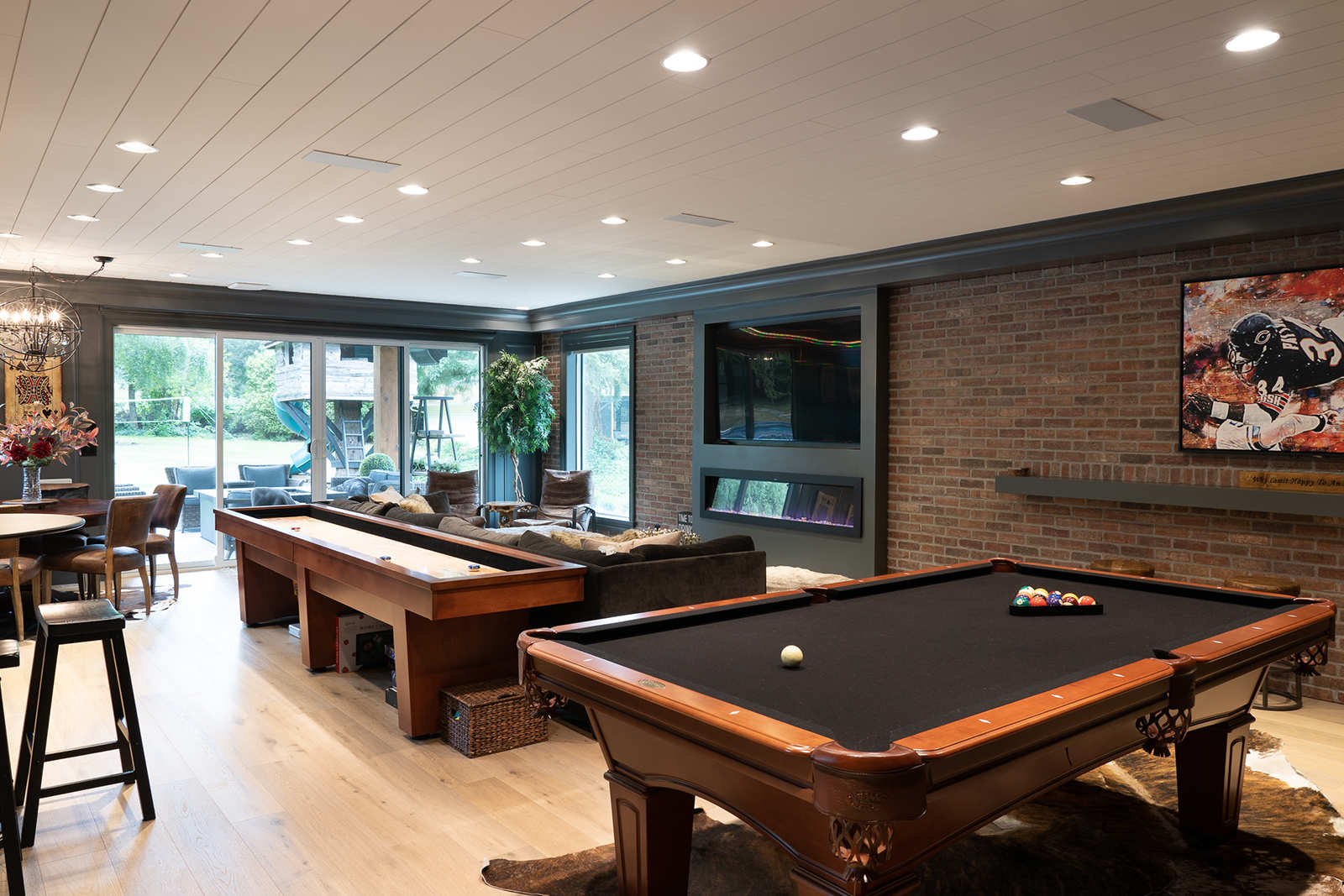
Multigenerational living can take many forms. It may involve a private suite, a second primary bedroom, an additional sitting room, or simply a more generous layout that allows several generations to gather comfortably.
Statistics Canada reported growth in multigenerational households, reflecting the many cultural, financial, and caregiving reasons families choose to share a home.
The best multigenerational designs balance connection with independence. Everyone needs a place to come together, but they also need room to retreat. Separate bathrooms, considerate sound control, accessible entrances, and flexible living areas can make an enormous difference.
A well-planned home can welcome aging parents now, adult children later, and grandchildren for years to come. It can evolve without requiring the family to begin again every time life changes.
When the Renovation Exceeds the Property’s Value
There are homeowners who knowingly spend more on a renovation than they are likely to recover through resale. This is not always the result of poor planning. Sometimes, it is a deliberate and fully informed choice.
At Homes to Havens, we have seen homeowners make this decision because they are measuring value differently.
They understand that selling the property in five or ten years may not return every dollar they invested. That possibility does not concern them because selling is not part of their plan. Their priority is creating a home where they can live comfortably for the rest of their lives.
Investing in your forever home may include choices that are deeply valuable to you but less important to the broader market. You may want a highly customized kitchen, a private suite for family, specialized accessibility features, or an addition designed around the way your family gathers.
A future buyer may not assign the same value to every detail. You, however, will benefit from those decisions every day.
The important distinction is whether the investment is being made knowingly. Homeowners should understand the likely market value, the cost of the proposed work, and the financial implications. Once those facts are clear, they can decide whether financial recovery is their primary goal.
Sometimes it is. Sometimes it is not.
A Different Kind of Return
Traditional renovation ROI is usually expressed as a percentage. You spend a certain amount, the property increases by another amount, and the difference is used to judge whether the project was worthwhile.
Investing in your forever home calls for a broader calculation.
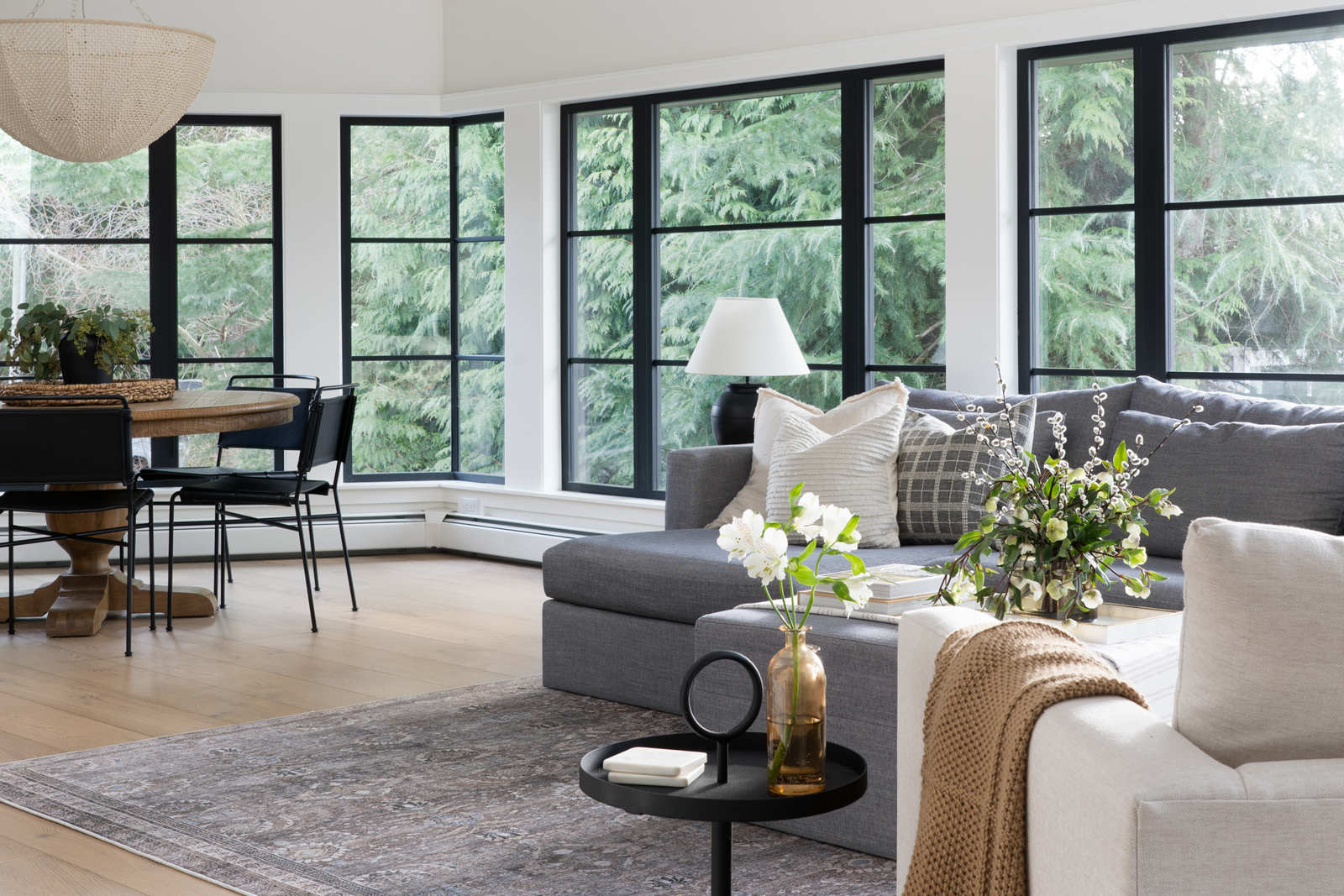
The return may be the ability to host Sunday dinner without squeezing around the table. It may be having your grandchildren stay for a week and giving everyone enough space to enjoy it. It may be knowing that an aging parent can live nearby while maintaining privacy and dignity.
It may also be the freedom to remain at home as you grow older.
There can be financial value in that choice, even if it is difficult to quantify. Moving involves real estate fees, legal costs, packing, transportation, and the expense of adapting another property. A new home may still require renovations before it meets your needs. Leaving a familiar community can introduce other personal and practical costs.
None of this means every renovation is automatically worthwhile. It means the return should be evaluated according to the homeowner’s true objective.
If the objective is resale, the market matters enormously. If the objective is permanence, quality of life deserves equal consideration.
Quality Matters More When You Plan to Stay
When renovating for resale, homeowners may be encouraged to choose finishes with broad appeal and keep personal preferences restrained. A forever home allows for a more intimate level of design.
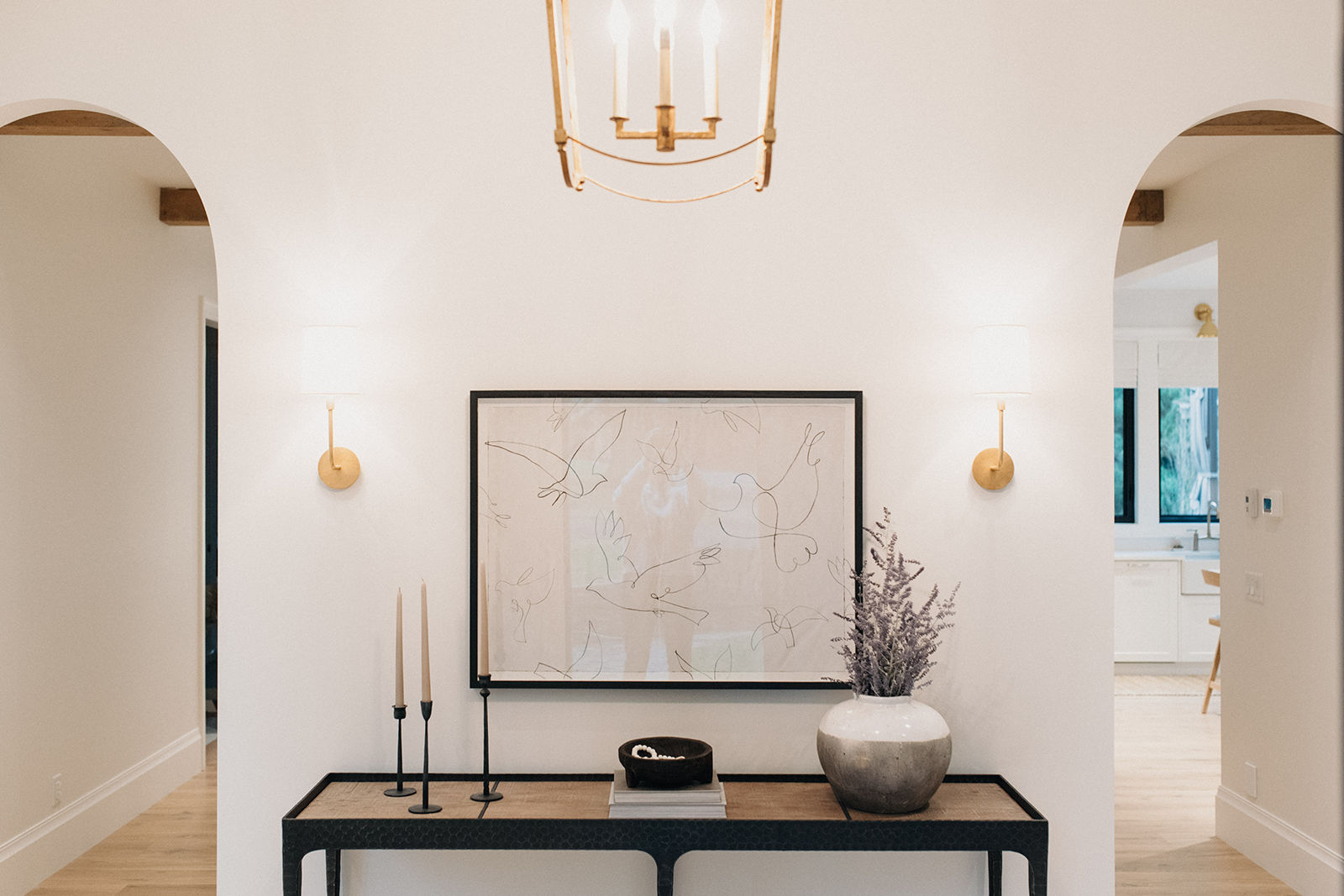
Investing in your forever home gives you permission to choose what feels right for you. That may include natural materials, exceptional millwork, beautifully integrated storage, or rooms designed around meaningful art, furniture, and family traditions.
It also makes quality particularly important.
If you expect to use the home for decades, materials should be selected for longevity as well as appearance. The structure, building envelope, electrical system, plumbing, heating, and ventilation deserve the same careful attention as the visible finishes.
Natural Resources Canada provides information about energy-efficient homes and renovations, including ways homeowners can improve comfort and reduce energy use over the long term.
Good design should continue to feel considered long after a trend has passed. The goal is not simply to create an impressive home. It is to create one that becomes more personal and comfortable with time.
Be Honest About Your Priorities
Before investing in your forever home, have an honest conversation about what “forever” means to you.
Do you love the home itself, or do you love its location? Is the property capable of supporting the layout and accessibility you may eventually need? Could the home accommodate another generation? Are there zoning, structural, or site limitations that could restrict the renovation?
It is also important to consider your financial comfort. Spending beyond the property’s expected resale value should be a conscious decision, not an unexpected outcome. A clear budget, realistic project scope, and suitable contingency can help protect both the experience and the finished result.
An experienced builder can help you understand what is possible before you commit to a design. That early guidance can reveal whether the home can be adapted gracefully or whether the proposed changes would introduce too many compromises.
Build a Home That Gives Something Back Every Day
Investing in your forever home is not about pretending resale value does not matter. It is about recognizing that value can take more than one form.
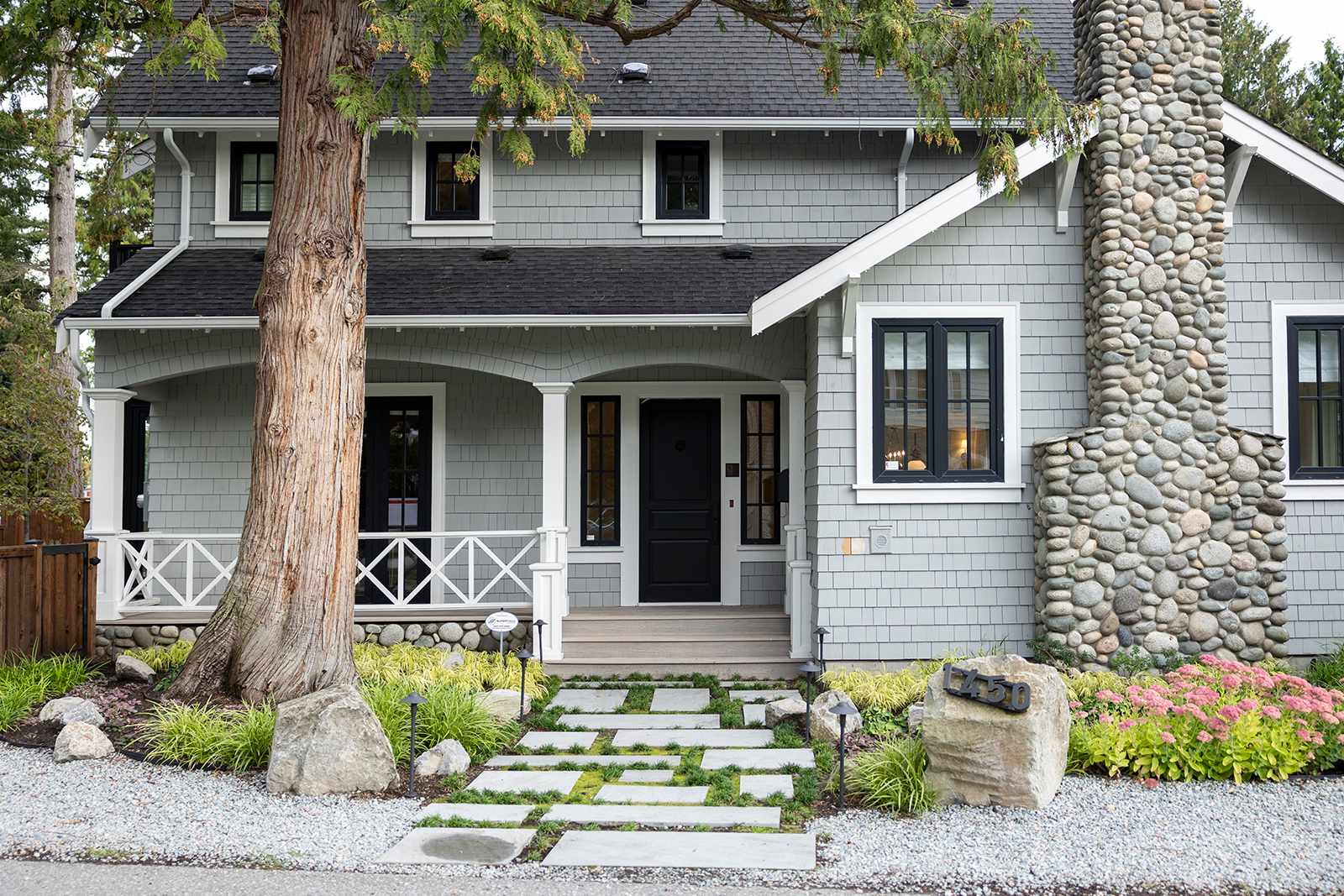
A thoughtfully renovated home can give something back every day. It can make ordinary routines more enjoyable, family gatherings more comfortable, and the future feel less uncertain. It can allow several generations to remain close while giving everyone the space they need.
Most importantly, it can make staying possible.
If you are considering a significant renovation in the Fraser Valley or Metro Vancouver, Homes to Havens can help you look at the complete picture. We will take the time to understand how you live now, how your needs may evolve, and what the home must become to support your future.
Contact Homes to Havens to start planning a home designed not only for the years ahead, but for a lifetime.