When your current home no longer reflects the way you live, deciding what to do next can feel overwhelming. You may love your property, neighbourhood, and views, but find that the house itself no longer meets your needs. Perhaps the layout feels closed in, your family requires more space, or the home needs extensive updates to feel comfortable and current.
At this stage, many homeowners begin asking the same question: Is it better to renovate or rebuild?
The answer is rarely based on cost alone. Your home’s structural condition, layout, zoning restrictions, property value, and long-term plans all play an important role. By looking carefully at each of these factors, you can choose the path that gives you the greatest value and brings you closer to the home you truly want.
Begin with the Condition of Your Home
Before making design plans, it is important to understand the condition of the existing structure. A professional assessment can identify concerns with the foundation, framing, roof, electrical system, plumbing, insulation, windows, and building envelope.
A well-built home with a sound structure may be an excellent candidate for renovation, even if its finishes and systems are dated. In this case, much of the original home can be preserved while the interior is reconfigured and updated.
However, significant structural problems can change the equation. Foundation concerns, extensive water damage, poor construction, or failing systems can consume a large part of the renovation budget before any visible improvements begin. When several major issues need to be addressed at once, rebuilding may offer better long-term value.
Understanding what lies beneath the finishes gives you a much clearer foundation for deciding whether to renovate or rebuild.
Consider What the Existing Layout Can Become
Some homes are dated but adaptable. Others have limitations that are difficult or expensive to overcome.
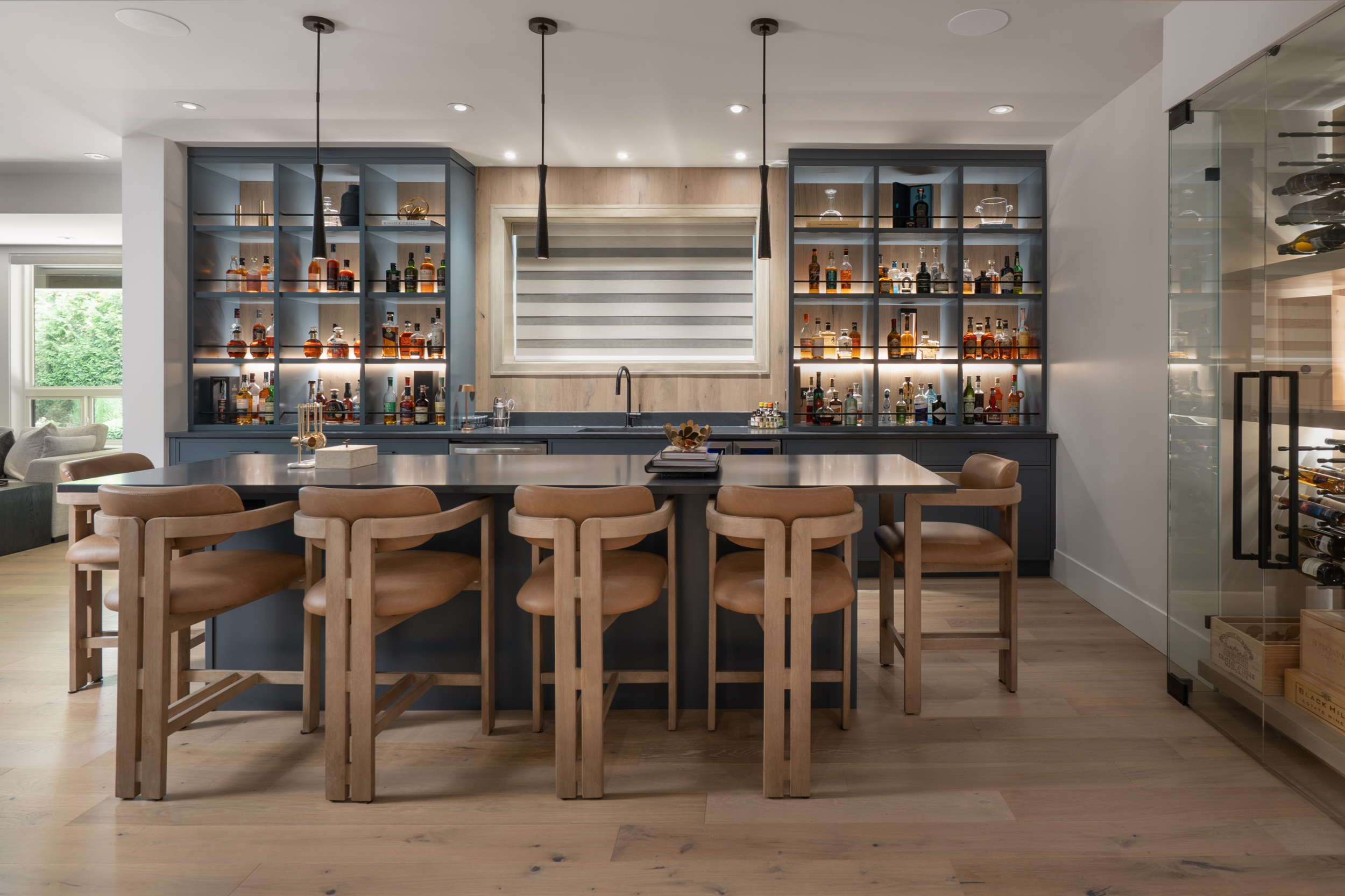
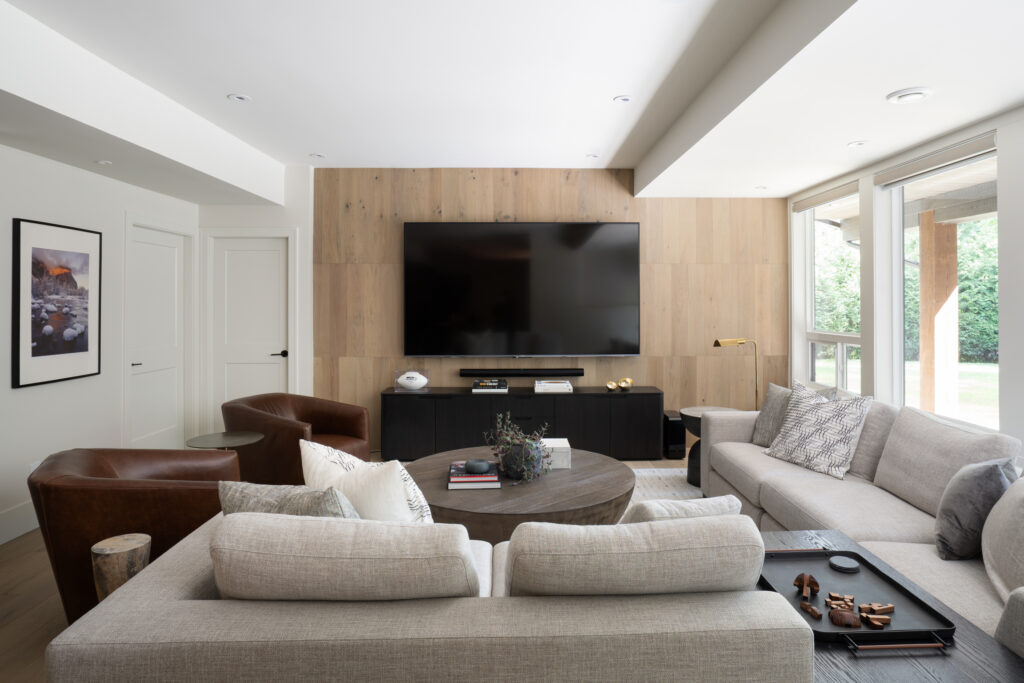
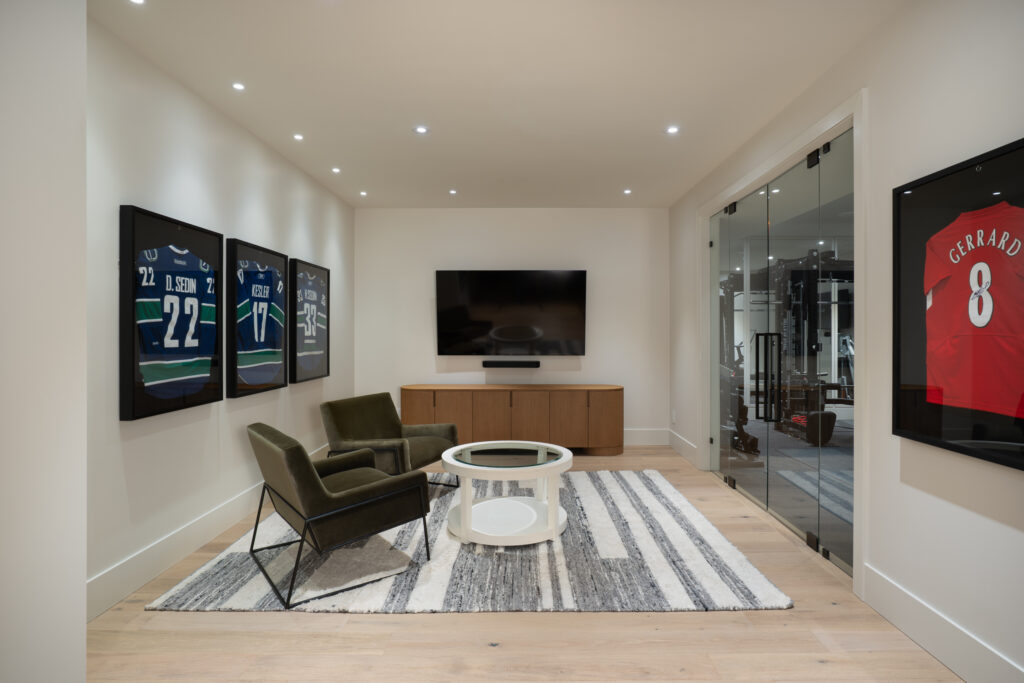
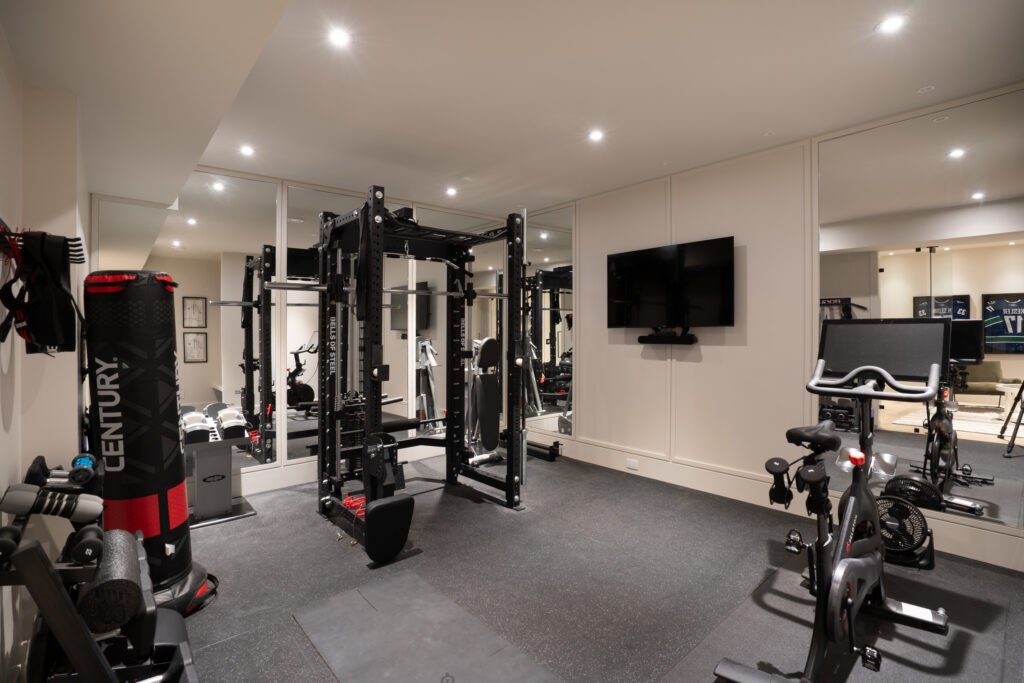
An experienced designer and builder can help you understand whether the current footprint can accommodate your goals. Removing walls may create a brighter, more open main floor. An addition could provide space for a larger kitchen, a home office, or a more comfortable primary suite. An unfinished basement may offer opportunities for a guest suite, recreation room, or private space for extended family.
A whole home renovation in the Fraser Valley can completely transform how a home looks and functions. However, renovation still begins with an existing structure. Stair placement, ceiling heights, structural walls, and the home’s position on the lot can limit what is possible.
If achieving your ideal layout would require rebuilding most of the interior structure, adding several extensions, or making major changes to every level, a new build may be the more practical choice. The goal is not simply to make the existing layout work. It is to determine whether it can become the home you want without excessive compromise.
Review Zoning Before Making Plans
Your property may present opportunities or restrictions that are not immediately visible. Municipal zoning rules can affect the size, height, location, and overall design of both renovations and new homes.
Setbacks, lot coverage, floor-area limits, tree protection, parking requirements, and rules for secondary suites can all influence what you are permitted to build. These requirements vary between municipalities and, in some cases, between neighbourhoods.
It is also important to remember that demolishing an older home does not necessarily mean you can replace it with a larger version of the same house. Some existing homes have legally permitted features that do not meet current zoning standards. Once the house is removed, those features may not be allowed in the new design.
Before you decide to renovate or rebuild, a preliminary zoning and feasibility review can reveal what is possible on your property. This early step can prevent you from investing in plans that cannot be approved.
Be Honest About the Renovation Scope
A renovation often begins with a simple wish list. You may want a larger kitchen, better storage, updated bathrooms, and a more open living area. Once planning begins, however, it may become clear that the flooring, lighting, windows, plumbing, and electrical systems also need attention.
This is how a focused renovation can gradually become a whole-home project.
There is nothing wrong with expanding the scope when it supports a more cohesive result. In many cases, addressing connected areas at the same time produces a better finished home. The important thing is to understand the full scope before comparing a renovation vs new build.
If nearly every room, system, and surface needs to be changed, the project may require more time and money than originally expected. At that point, the question is no longer whether renovation is possible. It is whether renovating provides enough value compared with starting fresh.
Compare the Complete Costs
Cost per square foot can be helpful, but it does not tell the full story. Renovations and new builds involve different variables, and each budget needs to reflect the complete project.
Renovation costs may include selective demolition, structural reinforcement, new mechanical systems, window replacement, insulation upgrades, and repairs to problems discovered during construction. Older homes may also require the safe removal of hazardous materials. Because some conditions remain hidden until work begins, a renovation budget should include a reasonable contingency.
A tear down and rebuild has its own expenses. These may include demolition, architectural and engineering work, municipal permits, site preparation, utility connections, landscaping, and temporary accommodation. While the initial investment may be higher, rebuilding can offer greater control over the layout, materials, and overall performance of the home.
When comparing whether to renovate or rebuild, look at realistic, all-in budgets rather than early estimates based only on square footage. The less expensive option on paper may not provide the best finished result or the greatest long-term value.
Consider the Property and Neighbourhood
The value of your property is about more than the existing house. Location, lot size, privacy, mature landscaping, school access, and views can all make a property worth preserving.
If you own a desirable Fraser Valley property but the home no longer suits you, both renovation and rebuilding may be worthwhile investments. However, the scale of the project should still make sense for the surrounding neighbourhood and local market.
A major renovation may allow you to preserve the home’s character while improving its function and comfort. A custom rebuild may make better use of an exceptional lot, particularly if the existing home is poorly positioned or does not take advantage of the property’s natural features.
Resale value matters, but it should not be the only consideration. If you plan to remain in the home for many years, the daily value of a thoughtful layout, quality materials, and well-designed spaces can be equally important.
Think About the Construction Experience
Both options will disrupt your routine, although the experience can be quite different.
Some renovations can be completed while part of the home remains occupied. For a whole home renovation in the Fraser Valley, however, moving out is often safer and more practical. This gives the construction team full access to the home and helps the work proceed more efficiently.
Renovations can also bring surprises. Once walls and floors are opened, concealed damage or outdated construction may affect the schedule. A custom rebuild generally involves a longer design and approval period, but the construction process may be more predictable once work begins.
When you compare whether to renovate or rebuild, consider where your family will live, how long you can comfortably be away from home, and how much uncertainty you are prepared to manage.
Plan for the Next Stage of Your Life
The strongest decision is one that considers not only what you need today, but how you expect to live in the future.
You may be planning for children, creating space for aging parents, or preparing for adult children to remain at home longer. You may want to work from home, entertain more often, or introduce accessible features that will allow you to remain comfortably in the house as you age.
Renovation may be the right choice when you love the existing home and its character, but need it to function better. Rebuilding may be more suitable when your long-term plans require a completely different layout, more space, greater accessibility, or improved energy performance.
Thinking 10 or 20 years ahead can make the decision to renovate or rebuild much clearer.
When Does Renovating Make Sense?
Renovation is often the better option when the home is structurally sound and the existing footprint can support the desired changes. It may also be preferable when the house has architectural details worth preserving or when current zoning would limit what could replace it.
A well-planned renovation can retain the qualities you already love while correcting the features that no longer work. It can also create a home that feels entirely renewed without removing its history or connection to the property.
When Is Rebuilding the Better Choice?
Rebuilding may be the stronger investment when the existing home has serious structural concerns, requires extensive system replacements, or cannot support the desired layout without major compromise.
It may also make sense when renovation costs begin approaching the cost of a custom home. If you are investing at that level, rebuilding can give you greater freedom to choose the room sizes, ceiling heights, window placement, energy features, and architectural style from the beginning.
In these situations, a tear down and rebuild allows you to keep the property you love while creating a home designed specifically for your life.
Make the Decision with Clear Information
There is no single answer that applies to every Fraser Valley property. The right choice depends on what you are starting with, what you hope to create, and how the investment supports your future.
Before deciding whether to renovate or rebuild, begin with a careful assessment of the home and property. Review the structure, zoning, layout possibilities, project scope, budget, and long-term value together. With the right information and an experienced team, you can move forward knowing that your chosen path will make the most of both your property and your investment.