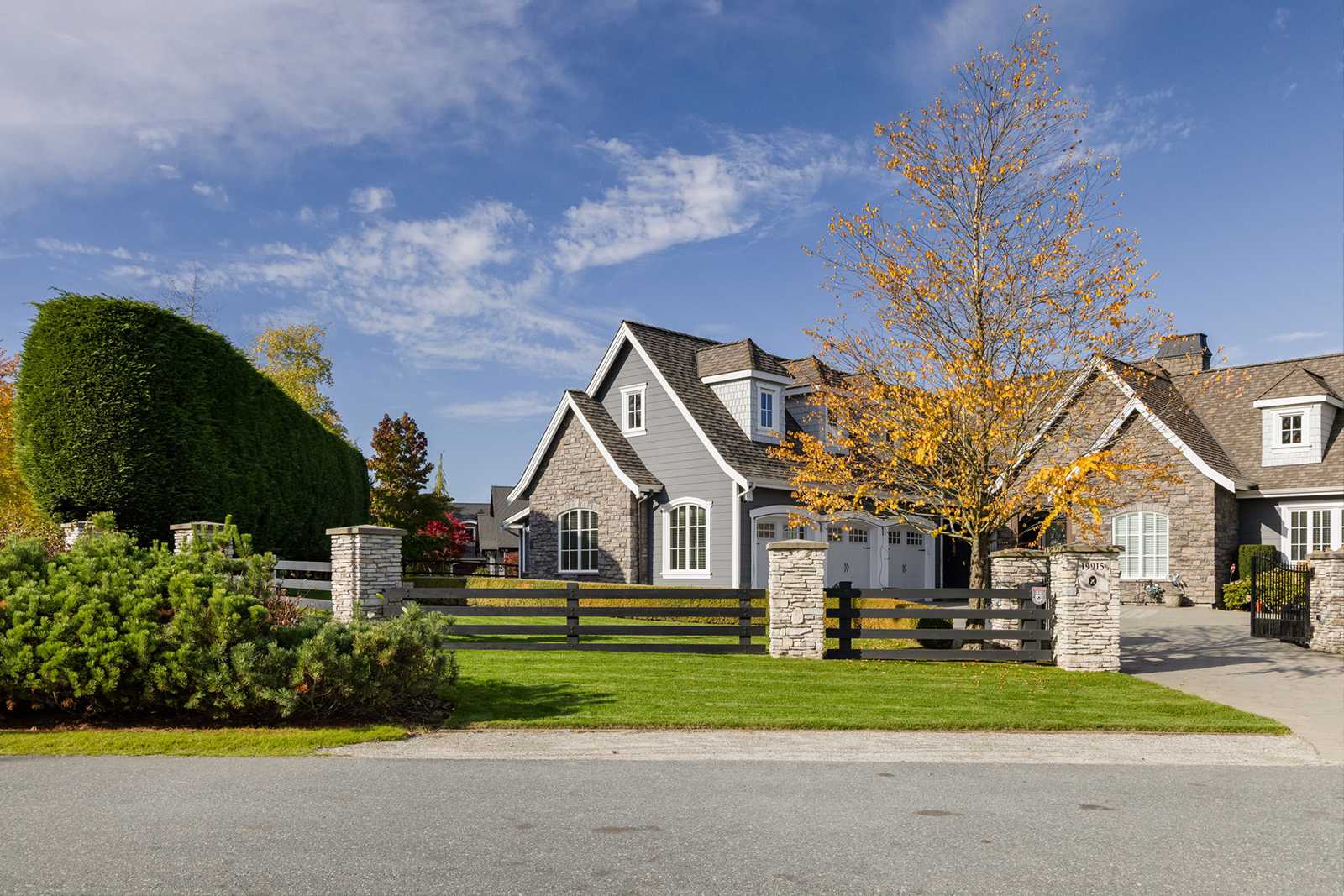
You’ve spent years making your house a home, but maybe it no longer fits the way you want to live. Perhaps you’re dreaming of a beautiful new kitchen, more room for family gatherings, or a complete transformation that makes you fall in love with your home all over again.
It’s exciting to imagine the possibilities. But before you get too far into planning, there’s one question you’ll probably want answered: How long is this going to take?
A whole home renovation is a significant undertaking, and the timeline depends on much more than the size of your house. Let’s look at what goes into a major renovation, what affects the schedule, and what you can expect along the way.
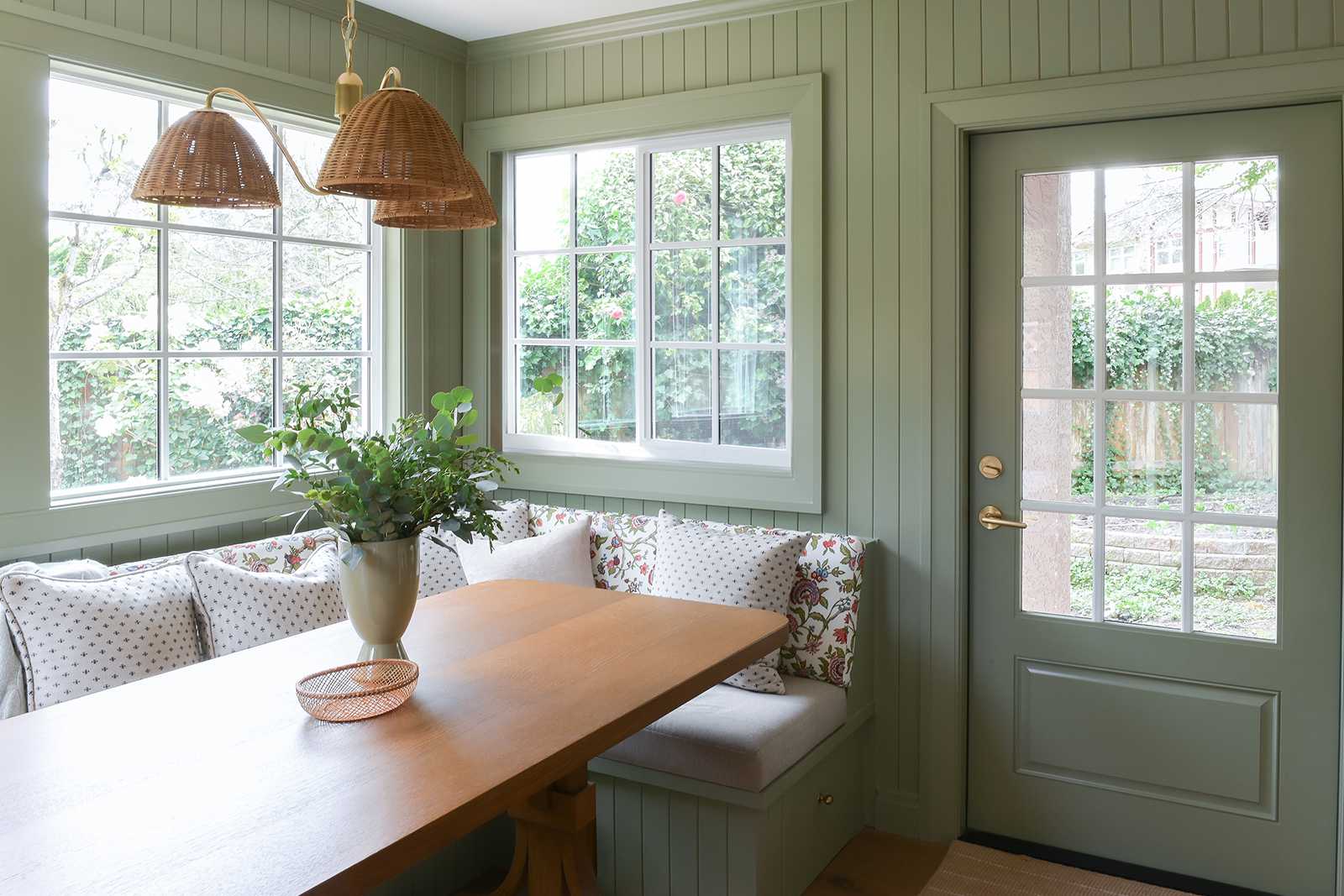
How Long Does a Whole-Home Renovation Typically Take?
For a substantial renovation involving structural changes, redesigned living spaces, and high-end finishes, construction can take anywhere from six months to well over a year. More complex projects may take longer.
And that’s just the construction phase. There’s also design, planning, and permitting to consider before work begins.
If you’re planning a whole home renovation in Surrey or Langley, your timeline will depend on the age and condition of your property, the changes you want to make, and the level of customization involved.
The important thing is to give your project the time it deserves. A home you’re planning to enjoy for decades is worth getting right.
Stage 1: Planning Your Renovation
Every great renovation starts with a conversation.
What do you love about your home? What would you change? And what would make the biggest difference in how you and your family live?
Maybe you’ve always wanted a more open main floor where everyone can gather. Perhaps you’re ready for a spacious primary suite, or you want to make room for multiple generations under one roof.
During the planning stage, your builder looks at your ideas alongside the home’s existing structure to understand what’s possible.
Sometimes, achieving your vision means making changes beyond the rooms you’re renovating. That’s why it’s important to look at the entire property rather than treating each space separately.
Our major renovations page offers a closer look at the types of transformations we specialize in.

Stage 2: Design and Material Selections
This is where your ideas start becoming something you can see.
Architects, designers, engineers, and your construction team work together to develop the plans. You’ll also begin choosing the materials and finishes that will define your home.
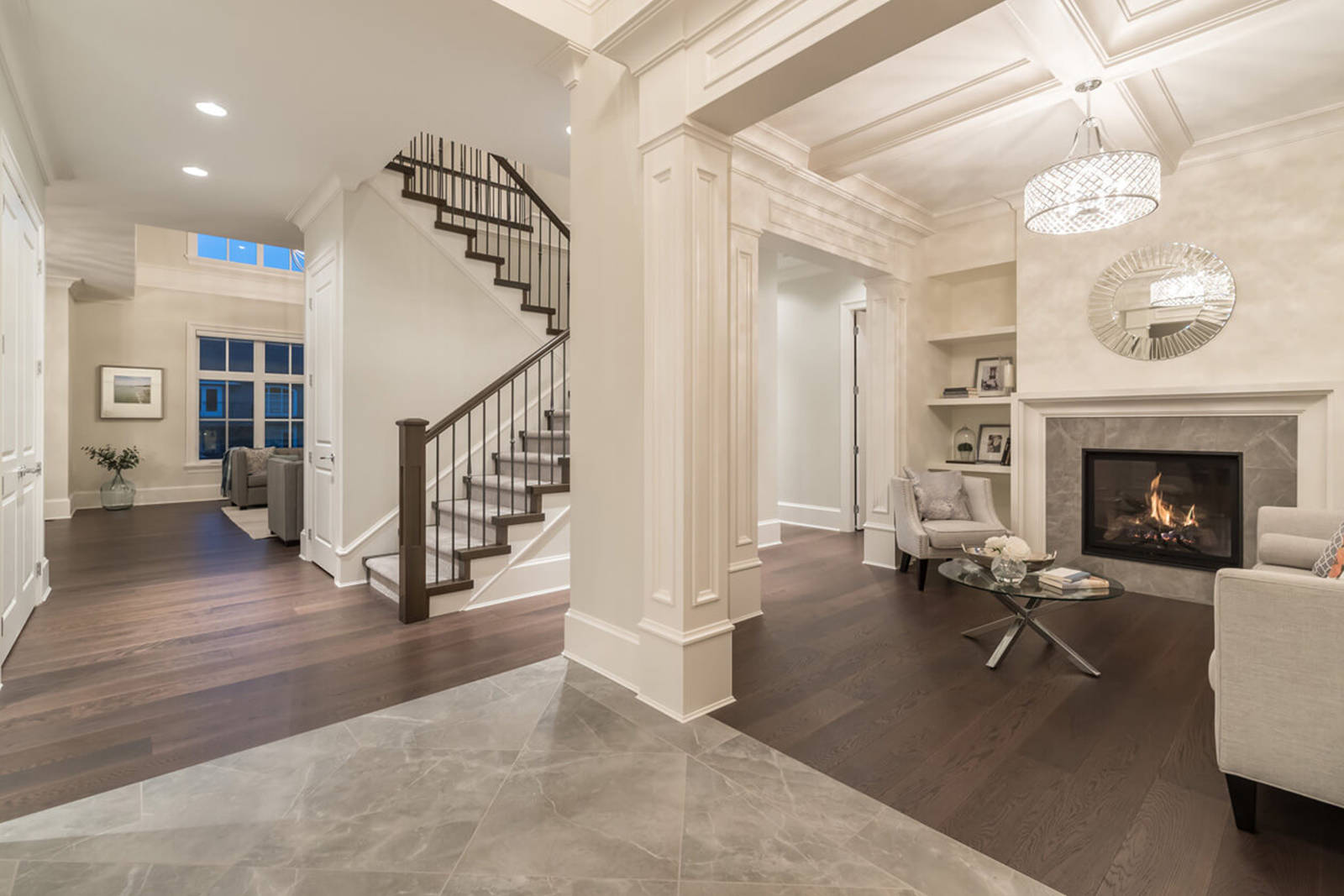
For a luxury whole home renovation, those decisions might include custom cabinetry, natural stone, architectural windows, beautiful millwork, or a statement staircase.
These details make a home special, but some take time to design, manufacture, and deliver.
Making selections early gives your builder time to coordinate orders and schedule installations. It also helps create a cohesive design, so your finished home feels beautifully connected from one room to the next.
Stage 3: Permits and Approvals
Before construction begins, your project may need building permits and municipal approvals.
The requirements depend on where you live and what you’re changing. Removing load-bearing walls, expanding the home, or making significant structural modifications will generally require more planning and documentation than cosmetic updates.
The Government of British Columbia’s building permit resources offer helpful information about the permitting process.
Your renovation team can coordinate with architects, engineers, and municipal authorities to prepare the necessary documentation.
Permit timelines aren’t always predictable, but planning for this stage early helps keep expectations realistic.
Stage 4: Demolition and Structural Work
Once the approvals are in place, it’s time to begin transforming your home.
Depending on the project, demolition may involve removing walls, flooring, cabinetry, or entire sections of the existing interior.
This is also when your builder gets a closer look at what’s behind the walls.
Occasionally, an older home reveals something that wasn’t visible during planning. It might be previous construction work, outdated wiring, or structural details that need attention.
These discoveries don’t necessarily mean major problems. They’re simply part of working with an existing home, and an experienced team knows how to evaluate them and adjust the plan when needed.
From there, structural work can begin, whether that means installing engineered beams, changing the floor plan, or preparing the home for an addition.
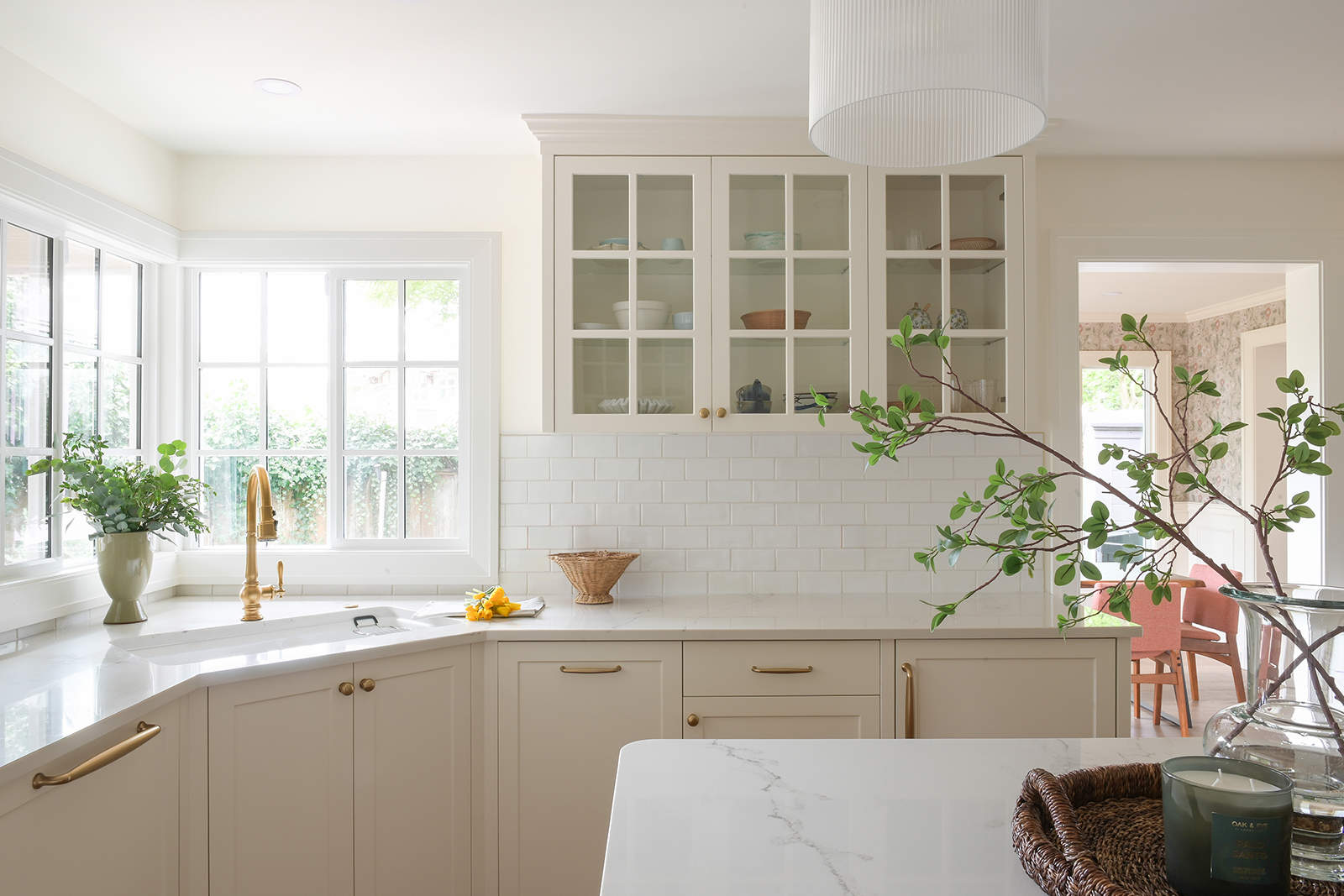
Stage 5: Mechanical Systems and Interior Finishes
A beautifully renovated home needs to function just as well as it looks.
Before the finishing work begins, your team addresses the electrical, plumbing, heating, cooling, and ventilation systems.
An expanded kitchen might need additional electrical capacity and relocated plumbing. A luxurious primary bathroom could include radiant in-floor heating, custom lighting, and a spacious walk-in shower.
Once those systems are in place, the transformation really starts coming together.
Flooring, cabinetry, tile, lighting, and architectural details begin turning the plans into the home you’ve been imagining.
Custom features require careful coordination. For example, countertops can’t be measured until cabinetry is installed, and some finishes need specific conditions before installation.
This attention to sequencing is an important part of keeping your whole home renovation moving forward.
What Can Affect Your Renovation Timeline?
Even with excellent planning, every home has its own considerations. A few things can influence how long your renovation takes:
- Design complexity: Moving walls, changing layouts, and adding square footage generally take longer than updating existing spaces.
- Custom finishes: Specialty materials, bespoke cabinetry, and architectural features may have extended lead times.
- Permits: Municipal approvals can affect when construction begins.
- Existing conditions: Older homes sometimes reveal details that require adjustments once work is underway.
- Changes during construction: New ideas are exciting, but significant changes can affect material orders and scheduling.
The more decisions you can make during the planning stage, the easier it is for your builder to coordinate the work and establish a realistic schedule.

Can You Live at Home During a Whole-House Renovation?
This is another question worth discussing early.
For smaller projects, staying home during construction may be possible. But when you’re renovating most of the house, temporary accommodations are often the more comfortable option.
Major renovations can affect kitchens, bathrooms, heating, electrical systems, and everyday access to living spaces.
Moving out also gives the construction team room to work efficiently without having to accommodate daily household activities.
Your builder can help you understand what to expect so you can plan accordingly.
A Great Renovation Is Worth the Planning
There’s a lot that goes into a major home renovation, and it’s perfectly normal to have questions before getting started.
You may already have a clear vision, or you might know how you want your home to feel without knowing exactly how to get there. Either way, you don’t need to have everything figured out before talking to a builder.
At Homes to Havens, we believe the best projects begin with understanding what matters most to the people who will live there.
We take the time to explore your ideas, explain what’s involved, and help you understand the possibilities for your property. Our renovation and construction process is designed to bring clarity and confidence to every stage.
Whether you’re considering a complete interior transformation, major structural changes, or a thoughtfully designed expansion, we’d love to hear what you have in mind.
Let’s Talk About Your Home
Your home has been part of your story for years. A whole home renovation is an opportunity to make it everything you want for the next chapter.
Homes to Havens specializes in luxury renovations and custom home construction throughout Surrey, Langley, the Fraser Valley, and Metro Vancouver.
Have a vision for your home? We’d love to hear about it.
Contact Homes to Havens to start the conversation and explore what’s possible.